11 min read Diesen Artikel auf Deutsch lesen Lire cet article en français Ler este artigo em português
How to Handle Difficult Customers: Steps
The short answer
To handle difficult customers, let them finish without interrupting, then repeat the problem back in your own words. Work out what you can fix and what you can't, offer one concrete next step with a date, and write it down in the same thread. If they ask you to delete their data or stop contacting them, do that first. If they become abusive, warn them once and then end the conversation. Don't argue, and don't tell anyone to calm down.
In this article
- How do you handle difficult customers, step by step?
- Which kinds of difficult customer will you meet?
- How to handle an impatient customer
- How to respond to a complaint when the customer is wrong
- How to deal with rude, disrespectful or aggressive customers
- Difficult replies to cold email: objections, opt-outs and data requests
- Example: answering an angry "Where did you get my email?"
- Customer point of contact: who owns a difficult conversation?
- Questions people ask
How do you handle difficult customers, step by step?
To handle difficult customers, hear them out without interrupting, repeat the problem back in one sentence, and tell them plainly which part you can fix and which part you can't. Then commit to one next step with an owner and a date, and write it down where everyone can see it. Most guides stop at "stay calm and be empathetic". That's the right attitude, but you can't act on it. The steps below are what you actually do, in this order. They work the same way on a call, in a support ticket or in a reply to a sales email. Each step either gets you information or produces a commitment you can check later.
- Let them finish. Don't interrupt, even when you already know the answer. If you cut in, they'll start over and get louder.
- Restate the problem in one sentence: "So the invoice shows two licences, and you only ordered one." They'll either confirm it or correct you, and both help.
- Acknowledge the impact without taking on blame. "That's a wasted morning for your team" is true whether the mistake was yours or not.
- Split the problem into what you can fix and what you can't, and tell them which is which. A vague "we'll look into it" makes a difficult customer more difficult.
- Offer one next step with an owner and a date: "I'll send the corrected invoice by Thursday." Then meet that date.
- Write it down in the same thread or ticket. Anyone who picks up the case later should be able to see what was promised without asking the customer to explain again.
Step 4 is the one people skip most often. Customers usually escalate when they get a promise that isn't kept, not when they get a no. Our guide to sales objection handling splits objections the same way: the ones you can answer and the constraints you can't change.

Which kinds of difficult customer will you meet?
"Difficult" covers several different situations, and each one needs a different first move. If you mistake one for another, you'll make the conversation worse. Endless empathy for an abusive caller rewards the abuse. A long apology to an impatient customer uses up time they don't have.
| Type | What usually drives it | First move | What doesn't work |
|---|---|---|---|
| Angry | A real failure: a missed deadline, a wrong charge, a broken feature | Let them finish, then restate the failure precisely | Explaining internal causes before you've acknowledged the impact |
| Impatient | A deadline of their own, often one you can't see | Ask when they need it by, then give a date | "We're working on it" with no time attached |
| Wrong about the facts | A misread contract, an old email, a different product | Show the source document rather than your opinion | Saying "you're wrong" before you've shown the evidence |
| Rude | Stress, or testing whether pressure gets results | Name the behaviour once and set a limit | Matching their tone, or ignoring it indefinitely |
| Abusive or threatening | Intent to intimidate | End the contact and document it | Carrying on to "win them back" |
How to handle an impatient customer
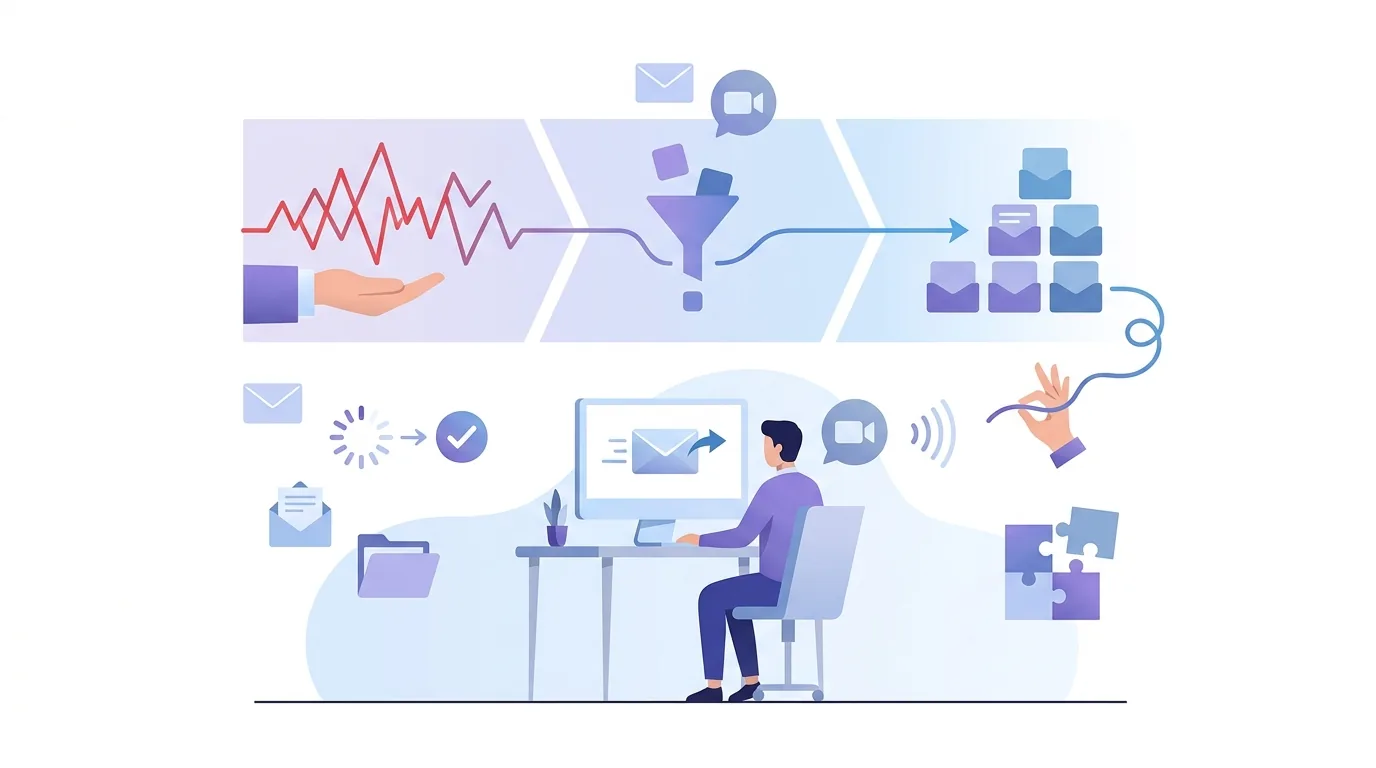
An impatient customer usually isn't angry at you. They're working to a deadline nobody has told you about. So ask "When do you need this resolved by?" before you ask "How can I help?". Once you know their date, you can either meet it or tell them clearly that you can't and offer the closest thing you can deliver in time.
Give them the information in the order they need it: the outcome first, then the date, and the explanation last, only if they ask. "Yes, you'll have the corrected export tomorrow morning" comes before why the export failed. Don't send a status update that has nothing new in it, because it just tells the customer that nothing has moved. If you promised an update by a certain time, send it even if the only news is a new estimate, and explain why the estimate changed.
How to respond to a complaint when the customer is wrong
Being right doesn't settle a complaint. The customer still has a problem, even if you didn't cause it. Start with something both of you agree is true: "I can see why the renewal date surprised you." Then show them the source, not your interpretation of it: the contract clause, the order confirmation, the dated email. Let the document correct them so you don't have to.
After that, offer whatever help the facts allow. You could walk them through the setting that triggered the charge, or pass the case to someone who can make a goodwill decision. A long argument about who's right doesn't help, because every extra exchange is another chance for them to escalate. If they keep disputing terms that are documented, state your position once in the thread and hand the case to the person who has the authority to grant or refuse an exception.
How to deal with rude, disrespectful or aggressive customers
Rude and abusive are not the same thing, and where you draw the line between them matters. Rude means sarcasm, a raised voice or insults aimed at the company. You can work through that as long as you don't react to it. Abusive means personal insults, slurs, threats or harassment. You don't have to put up with that, and your team should know where the line is before a call starts, not in the middle of one.
- Name it once, calmly: "I want to fix this, and I can't do that while you're shouting at me."
- If it continues, state the consequence: "If this continues, I'll end the call and follow up by email."
- If it still continues, do what you said. A threat to end the call that you don't carry out teaches them the limit isn't real.
- Record what was said and when in the ticket or CRM, so whoever takes over knows what happened.
- Send threats of physical harm through your security or management process and, depending on where you are, to the police. Front-line staff shouldn't handle them alone.
One thing reliably makes it worse: telling someone to calm down. It comes across as dismissive and usually gets the opposite reaction. Lowering your own voice and slowing down works better than any instruction aimed at them.
Difficult replies to cold email: objections, opt-outs and data requests
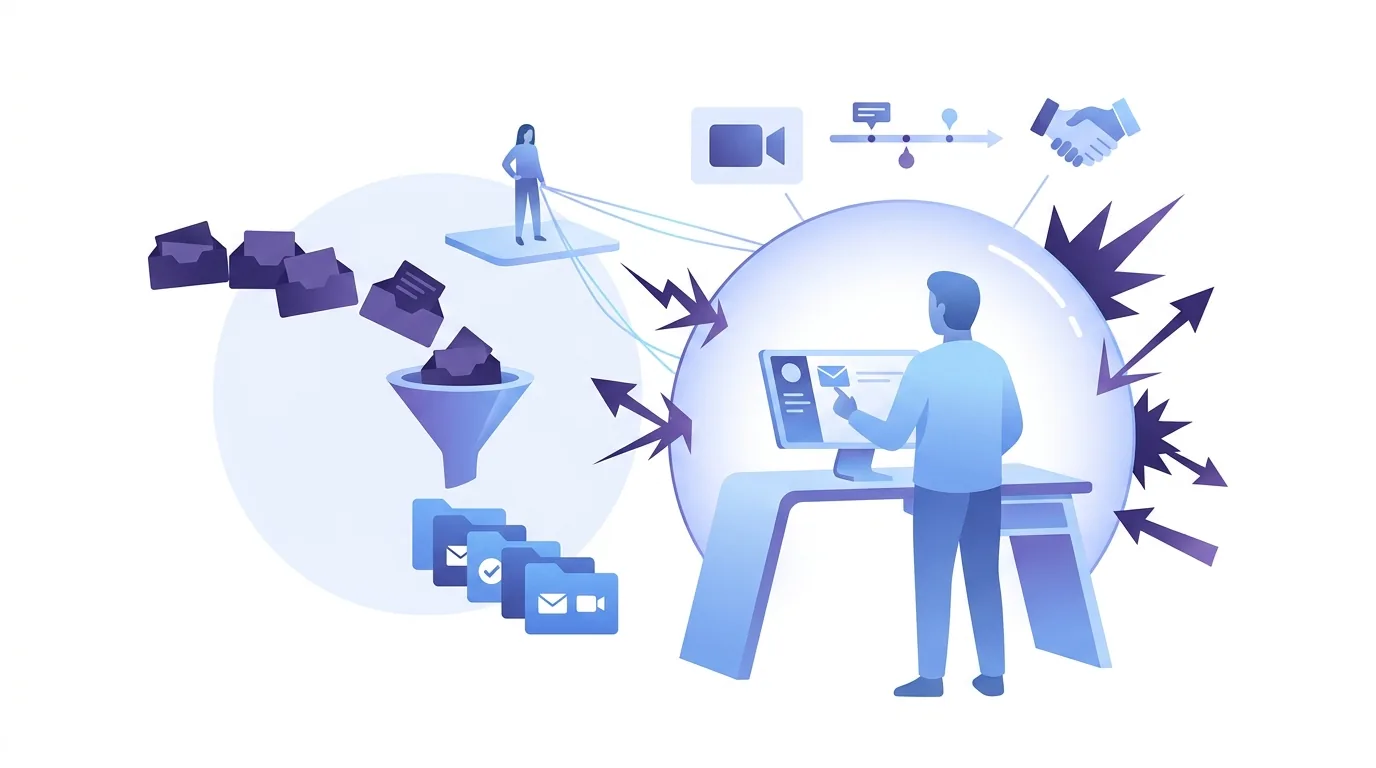
In B2B outreach, the difficult customer is often someone who isn't a customer yet: a prospect who replies angry that you emailed them at all. Treat that reply as a request to process, not an argument to win. If they ask you to stop, stop. Take them out of every sequence, not just the current one. Under the EU General Data Protection Regulation, once someone objects to processing for direct marketing, you can no longer process their data for that purpose. In the US, the CAN-SPAM Act sets its own opt-out rules for commercial email, including a deadline for honouring an opt-out request, so the removal can't wait for the next list clean-up.
"Where did you get my email?" is often a request to access their data under the GDPR. When you didn't collect the data from the person directly, the regulation entitles them to any available information on its source, and it sets a deadline for answering. Tell them the source instead of dodging the question. A curt reply to an angry prospect does more harm than the original email, because it gives them a reason to mark you as spam instead of just ignoring you, and spam complaints count against your own domain's reputation. Gmail shows a sending domain's user-reported spam rate in Google Postmaster Tools, which is where those complaints become visible to you. For replies that are simply a no, our not interested email replies cover the wording.
Example: answering an angry "Where did you get my email?"
Here's how the six steps look when a prospect writes back: "I never signed up for this. Where did you get my address? Stop emailing me." There are two requests in that message, an objection and an access request, so the reply answers both and promises nothing it can't keep.
You're right, you didn't sign up, and I'm sorry the email landed unannounced. I've removed you from all our outreach as of today, so you won't hear from us again. Your work address came from [source, e.g. your company's public team page]. We hold your name, job title and work email. If you'd like that deleted as well, reply "delete" and I'll confirm once it's done.
Note what it leaves out: no defence of cold email, no second pitch, no "just one quick question". It confirms the opt-out, names the source and the data held, and offers a single next step. Then update the record in the same place you keep your list, so no colleague contacts the person again from another sequence.
EmailFlow OS handles this as follows. You record one video and upload it, connect your own Brevo account and sending domain, and import your prospect list. EmailFlow OS then creates a personalised version of the video for each recipient and sends each one from your own inbox. That means an angry reply comes back to you, not to a shared platform address that nobody on your side reads. The prospect list is kept in EmailFlow OS, so that's where you check who you contacted. The sending reputation you build through your Brevo account and domain stays under your control. Handling objections and opt-outs correctly is still your job. The EmailFlow OS home page describes the setup.
Customer point of contact: who owns a difficult conversation?
A customer point of contact is the one named person who owns the relationship or the case and speaks for your side. With difficult customers this matters more than usual. Every handover makes the customer explain the problem again, and having to repeat themselves is one of the quickest ways to turn an annoyed customer into an angry one. Give each case one owner and tell the customer who that is. If the case has to move, for example to someone who can approve a refund, the owner introduces that person in the same thread and writes down what has already been agreed.
Two things commonly go wrong. The first is a shared inbox where nobody owns the reply, so it sits unanswered. The second is a point of contact who has no authority to resolve anything and can only pass messages along. If your contact can't make the decision, tell the customer who can and when they'll hear back. Our article on the point of contact covers the term and handover emails. The buying roles in our B2B customer profile example help you work out who should be the contact on the customer's side.

Questions people ask
- How do you handle difficult customers?
- Use six steps in order: let them finish, restate the problem in one sentence, acknowledge the impact without taking on blame, split what you can fix from what you can't, offer one next step with an owner and a date, and record it in the same thread. An opt-out or data request comes before everything else. Abuse gets one warning, then you end the contact.
- How do you deal with aggressive customers?
- Work out whether the aggression is aimed at the problem or at the person. If it's about the problem, let them finish, restate it and offer a dated next step. If it's personal or threatening, name the behaviour once and state the consequence. If it continues, end the contact and record what happened. Threats of harm go to management or security, not to one front-line employee.
- What should you never say to a difficult customer?
- Avoid "calm down", "that's our policy" without an explanation, "you must have misunderstood", and "we'll look into it" without a date. Each one either dismisses the customer or gives them nothing they can check. Say what happened, what you'll do and by when. If you can't fix it, say so plainly instead of making a vague promise.
- Is an angry reply to a cold email a complaint or an opt-out?
- Usually both, so deal with the opt-out first and take them out of every sequence, not just the one that triggered the reply. Under the GDPR, an objection to direct marketing ends processing for that purpose, and CAN-SPAM sets a deadline for honouring opt-outs. If they ask where you got their data, treat it as an access request and name the source.
- When is it acceptable to end a conversation with a customer?
- When the behaviour has crossed from rude into abusive (personal insults, slurs, threats or harassment) and a clear warning hasn't stopped it. Tell them you're ending the call or chat, offer another channel such as email, then end it. Record the reason in the ticket so the next person has the context.
