14 min read Diesen Artikel auf Deutsch lesen Lire cet article en français Ler este artigo em português
Personal Selling Examples: B2B and Email
The short answer
Personal selling means a seller deals directly with one buyer and changes the offer based on what that buyer says. A car salesperson builds financing around the budget the buyer gives. A field rep demos for a buying committee. An SDR calls a named contact. B2B outreach email works the same way: one trigger specific to the recipient, one ask, and follow-ups in the same thread, all sent from your own authenticated domain.
In this article
- What is personal selling in marketing?
- Personal selling examples by setting
- What are the different types of selling?
- What are the techniques of personal selling?
- What is the 3-3-3 rule in sales?
- Personal selling by email: examples you can adapt
- Sales introduction email example
- Follow up sales email example
- Sales follow up email examples by situation
- Referral email subject line examples
- Example: two contacts at one account, two different messages
- Sales script examples for a first call
- How EmailFlow OS turns one recording into personal video emails
- DMARC record example and the DNS checks before you send
- Where personal selling by email goes wrong
- Questions people ask
Common personal selling examples include a car salesperson who builds financing around the budget a buyer names, a field rep who demos for a buying committee, an inside rep who calls a named contact, a trade show conversation that ends in a booked demo, and a cold email written to one person about one trigger. All of them have three things in common: there's one named buyer, the conversation runs both ways, and the seller changes the offer based on what the buyer says. If any of those three is missing, it's advertising or direct marketing, not personal selling.
What is personal selling in marketing?
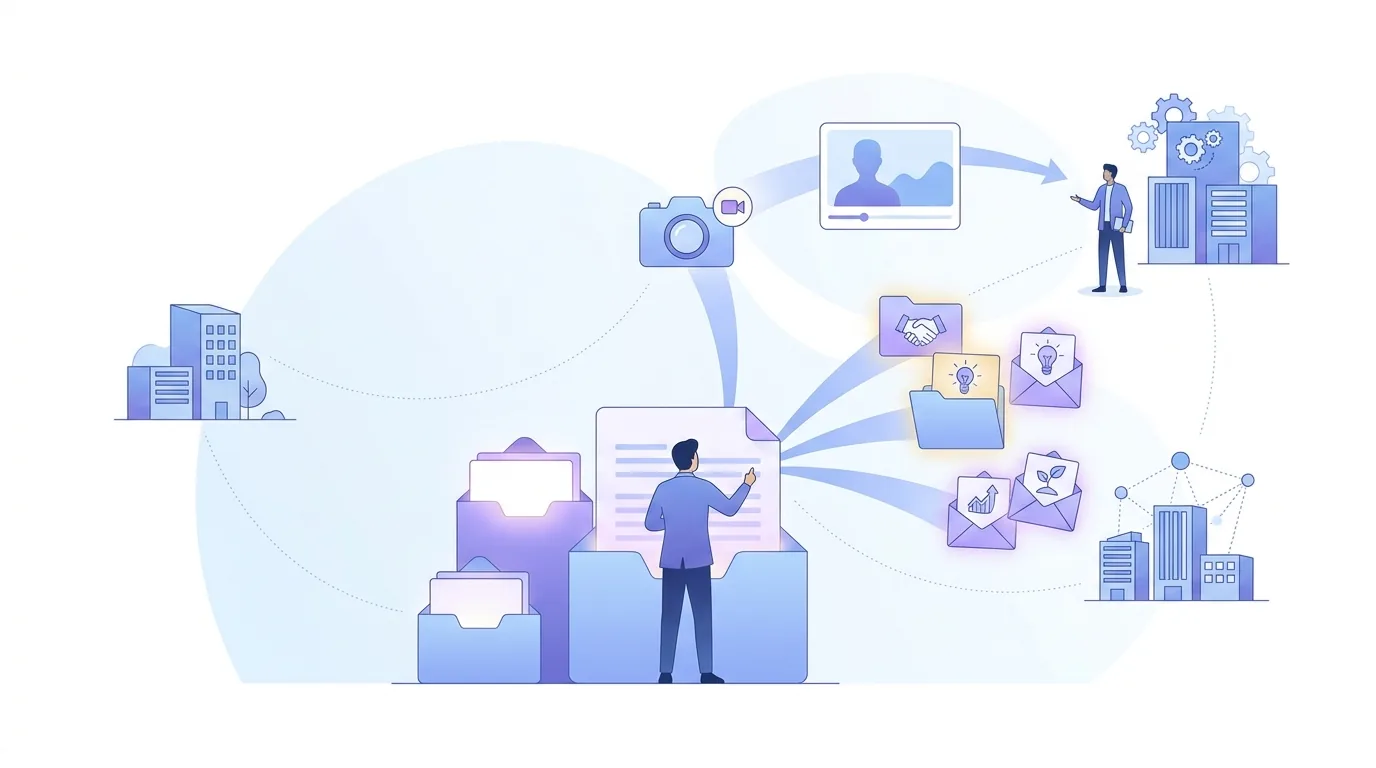
Personal selling is the part of the marketing mix where a person, not a medium, carries the message. A seller talks with one buyer or one buying group, asks questions and adjusts the offer to the answers. That's what defines it. Advertising sends the same message to everyone and can't react. Personal selling reacts within the same conversation, or in the next message.
The reliable test is whether the conversation runs both ways. If the buyer can object, ask something or change direction, and the seller answers that specific point, it's personal selling. That can happen face to face, by phone, over video or in a written email thread. If everyone on a list gets identical copy and nobody reads the replies, it's direct marketing, even when every message opens with a first name.
This matters for anyone doing B2B outreach. A cold email only counts as personal selling when it's written for that one recipient and someone is ready to pick up the conversation. A template with a merged name is a broadcast, and it gets read like one.
Personal selling examples by setting
The examples below are grouped by setting. Each row shows what the seller actually does and where the method stops working, because every setting runs into a limit on reach, cost or timing. The last three rows are B2B outreach examples from our own field: renewals, cold email and per-recipient video.
| Setting | What the seller does | Where it stops |
|---|---|---|
| Car dealership | Walks the lot with the buyer, demonstrates the features the buyer asks about, hears the budget and builds a financing package around it | Only reaches people who already came to the lot |
| Retail consultation (e.g. mattresses) | Asks how the buyer sleeps, what problems they have with their current product and what they prefer, then narrows the range to a few options | Depends on foot traffic and on the skill of whoever is on shift |
| B2B field sales | Visits the account, runs a demo for the buying group, handles objections from each stakeholder and negotiates terms | Takes a lot of time per account and only pays off for deals big enough to cover the travel |
| Inside sales / telemarketing | Calls a named contact, asks permission to continue, qualifies the need and books a next step | Needs someone to pick up. Voicemail and gatekeepers end many attempts |
| Trade show booth | Qualifies visitors in a short conversation, demos on the spot and collects contact details for follow-up | Limited to the event dates and to whoever attends |
| Live chat on a website | Answers a visitor's question in real time and guides them to a plan or a demo | Only reaches people who are already on the site |
| Account manager renewal call | Reviews what the customer used in the past term, asks what changed in their team and adjusts the renewal scope to that answer | Only works with existing customers. It doesn't create new accounts |
| Personal cold email | Writes to one named person about a trigger specific to them, asks one question and follows up in the same thread | Has to pass the receiving server's authentication and spam checks before anyone reads it |
| Personalised video email | Shows the seller's face and voice in a clip addressed to one recipient, delivered inside an email | Faces the same deliverability conditions as any email. A video won't fix bad targeting |
What are the different types of selling?
Sales training usually sorts types of selling by how much the seller has to adapt to the buyer:
- Transactional selling: the buyer already knows what they want, and the seller handles price and availability. There's little discovery.
- Consultative selling: the seller asks questions first and makes a recommendation based on the answers. The car and mattress examples work this way.
- Solution or complex B2B selling: several people have to approve, the sales cycle is long and each stakeholder needs a different argument. Field sales and enterprise deals belong here.
- Relationship selling: the account is managed over years, so renewals and expansion count for more than the first deal.
- Inbound vs outbound: inbound responds to a buyer who got in touch first (chat, demo request). Outbound makes the first contact (calls, cold email, video outreach).
What are the techniques of personal selling?
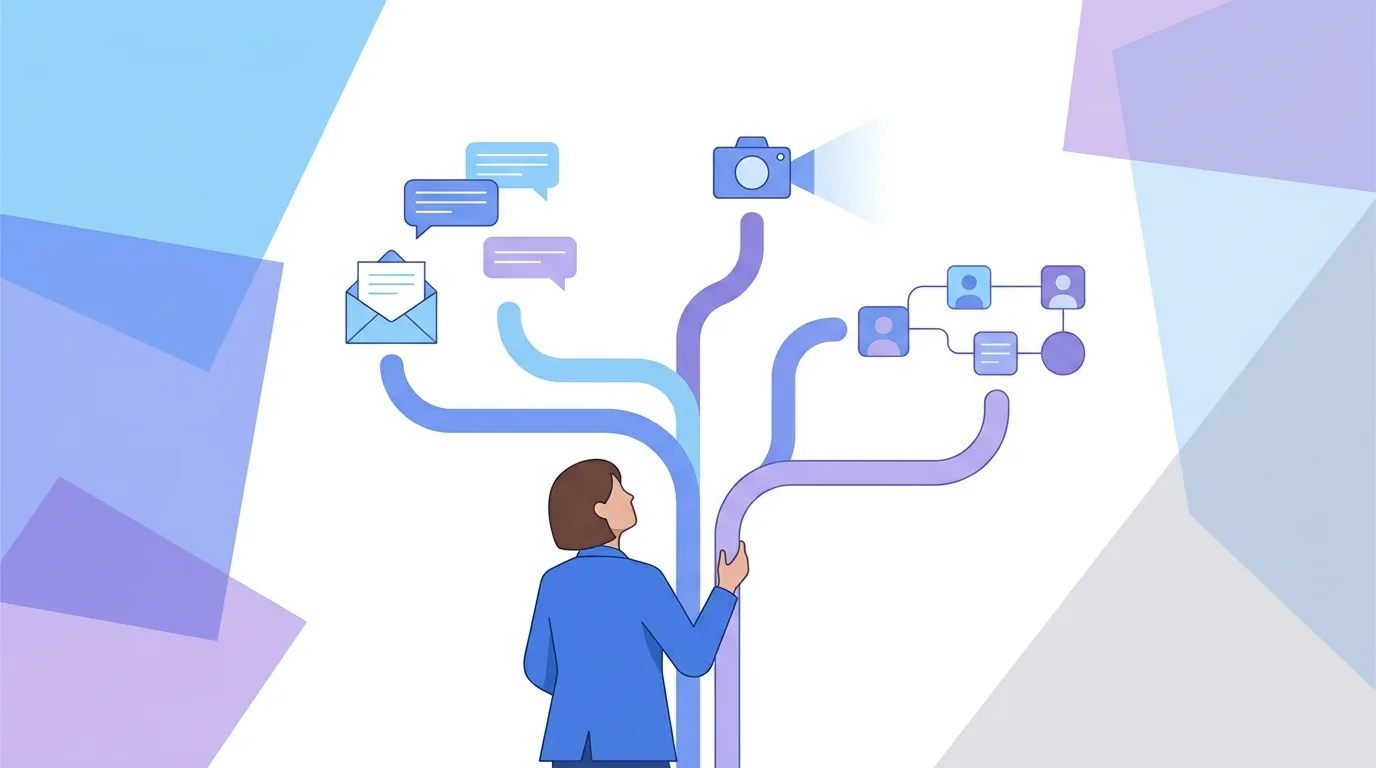
These techniques work in any channel. Do them in order, because a pitch delivered before discovery is a guess.
- Prospecting: pick a named person with a plausible need. If you pick the wrong person, nothing later in the process can recover it.
- Pre-approach: find one trigger that's specific to them, such as a hire, a launch, a tool change or a post they wrote.
- Approach: open with that trigger, not with your company.
- Discovery: ask about their situation, the problem and its impact before you describe anything you sell.
- Presentation: show only the part of the offer that answers what they told you.
- Objection handling: ask what's behind the objection before you answer it.
- Close: ask for one concrete next step, such as a call, a trial or an introduction.
- Follow-up: continue in the same thread so the buyer can still see the history.
Our guide to sales techniques and follow-ups covers closes and question frameworks in more depth, with written examples.
What is the 3-3-3 rule in sales?
The 3-3-3 rule is a training mnemonic, not a codified standard. Trainers use it for different things, so ask whoever cited it which version they mean. For written outreach, here's a version you can check yourself: before you send, find three facts about the recipient, keep the message to three short paragraphs (trigger, relevance, ask), and make sure only one of them asks for something. If you can't find three facts, the problem is the prospect list, not the copy.
Personal selling by email: examples you can adapt
Email is where B2B personal selling most often slips into broadcasting. Each example below names one trigger and one ask, so the recipient can answer in a single line. For the wider pitch structure behind them, see our sales pitch structure and examples.
Sales introduction email example
Subject: Your new Hamburg office. Body: "Hi Lena, I saw you're hiring SDRs for the new Hamburg team. New SDR teams often start sending from fresh domains before SPF and DKIM are set up. We set up outreach that sends from the team's own domain and inbox. Would a short call next week be useful, or is the setup already decided?" The trigger comes first, the company second, and the question can be answered with yes or no. You'll find more complete intros in our sales introduction email examples.
Follow up sales email example
Send it as a reply in the original thread. That way the email client sets the In-Reply-To header and the first message stays quoted underneath. Body: "Hi Lena, one thing I left out: you can run the domain check yourself, without us. Want the link?" Each follow-up should add one new fact. A message that only says "bumping this" gives the recipient nothing new to reply to. When the reply comes in, our email response examples for B2B replies show how to answer each type.
Sales follow up email examples by situation
- After no reply: add one new fact or resource, ask a shorter question and stay in the same thread.
- After a call: recap what the buyer said, say who does what by which date, and ask them to confirm.
- After a quote: mention the quote's expiry date and ask whether anything in it is holding up a decision.
- Final message: say it's the last one, leave a way to come back later, and stop the sequence once it's sent.
Our sales follow up email template collection has more of these written out in full.
Referral email subject line examples
Lead with the referrer's name, since that name is why the email gets opened: "Referral from Jonas Weber", "Jonas suggested I write", "Intro via Jonas: SDR onboarding". Only use a name if that person has agreed to be mentioned. If the recipient checks with them and they don't remember, the conversation is over. Our list of referral subject line examples has more options for jobs, clients and reference requests.
Example: two contacts at one account, two different messages
Say you're selling to a logistics company and have two named contacts there: Lena, who leads the new SDR team, and Markus, who runs IT and owns the company's DNS. A per-company message would tell both the same thing, and one of them can't act on it. A personal selling version splits it. Lena's email opens with the SDR hiring and asks who owns the sending setup. Markus's opens with the domain the team will send from and asks whether DMARC reports are already being read. Same seller, same offer, two triggers, two asks. If either replies, the follow-up stays in that person's thread, not in a shared one.
Sales script examples for a first call
A script gives the call a structure. You're not meant to read it out word for word. Here's a cold call opener you can adapt:
- Name and reason: "Hi Lena, it's Tom from Example GmbH. I'm calling about the SDR roles you posted."
- Permission: "Have you got a minute, or is now a bad time?"
- Trigger and question: "When teams add SDRs, it's often unclear who owns the sending setup. Who looks after your domain and DNS?"
- Listen and ask about what they said. Don't pitch yet.
- Ask for one next step: "Could I send you a short summary and book a call on Thursday?"
If they say it's a bad time at step 2, ask when you can call back and end the call. Pushing on at that point usually ends the call anyway. Gatekeeper and voicemail versions are in our sales script examples for calls and follow-ups.
How EmailFlow OS turns one recording into personal video emails
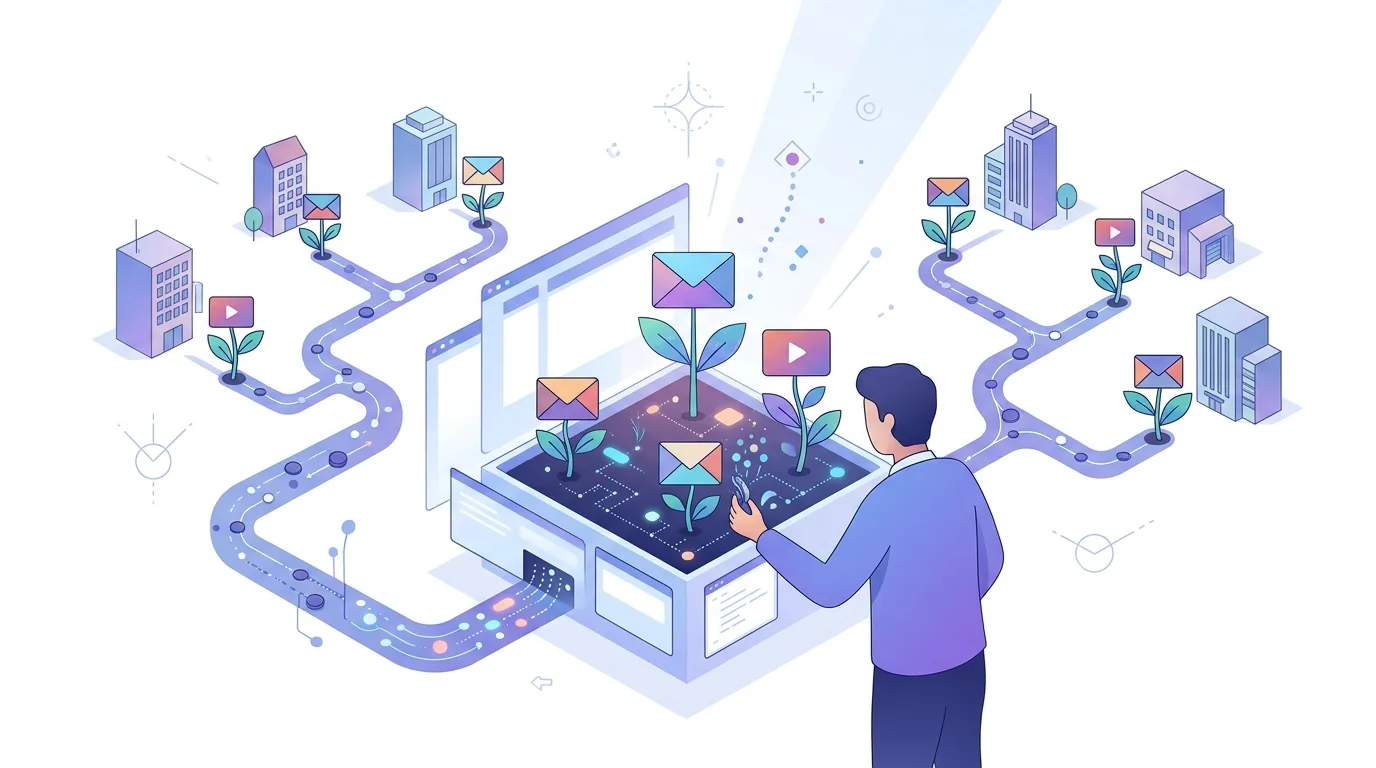
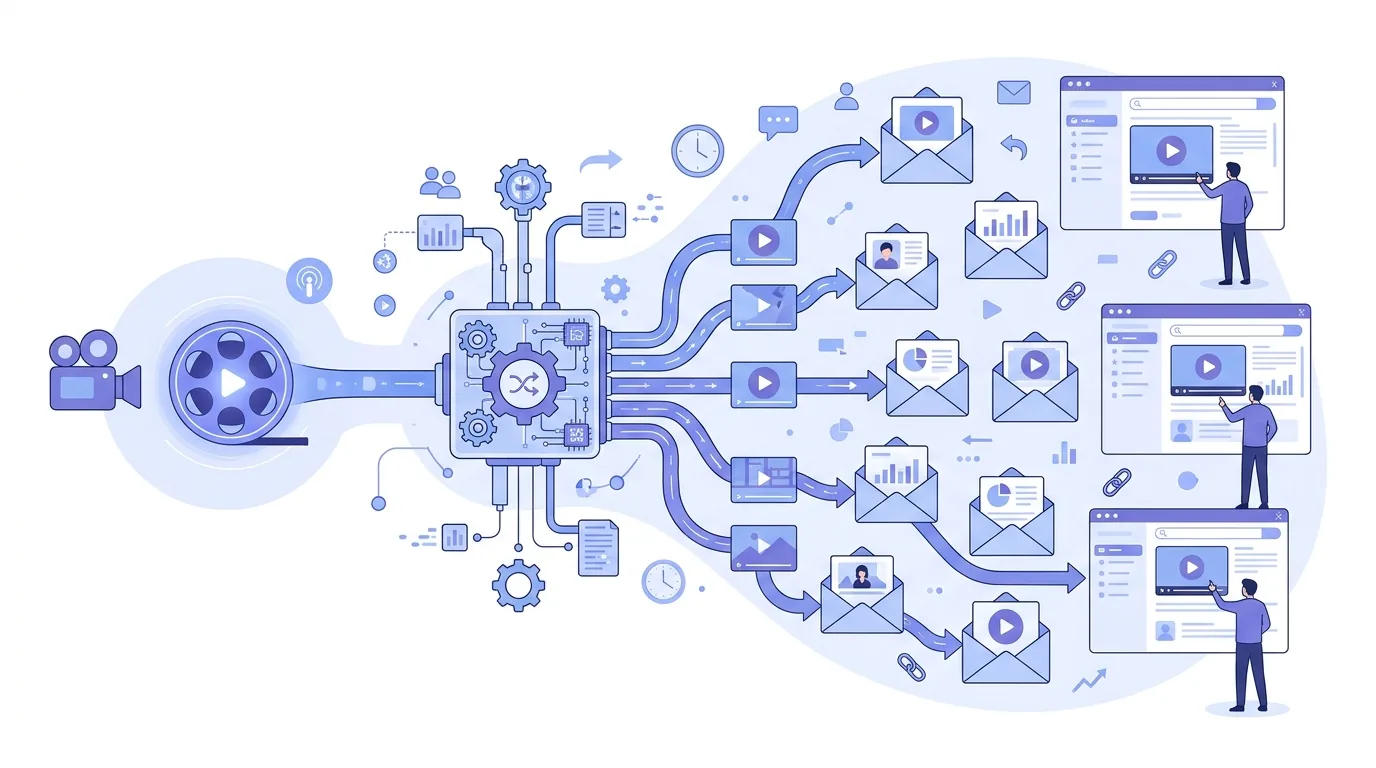
This section is about our own product. EmailFlow OS, a EmailFlow OS product, provides personalised AI video email for B2B outreach. You record one video and upload it to EmailFlow OS. You connect your Brevo account and your sending domain, then import your prospect list into EmailFlow OS. EmailFlow OS personalises the recording for each recipient on that list, not for each company, so two contacts at the same account, like Lena and Markus above, each get their own version.
Each version is sent from your own inbox, through your own Brevo account, on your own sending domain. It never goes through a shared platform sender. Your sender reputation, DNS records and Brevo account stay under your control. That also means the authentication work below is still yours to do, and the receiving server still decides where each message lands. The EmailFlow OS personalised AI video email page and our article on personalised video messages per recipient explain how the per-recipient step works.
DMARC record example and the DNS checks before you send
A personal email only works as personal selling if a person reads it, and receiving servers check authentication first. SPF lists the servers that are allowed to send for your domain. DKIM signs each message with a key published in DNS. DMARC tells receivers what to do with a message when neither SPF nor DKIM passes in alignment with the From domain.
A starting DMARC record is published as a TXT record at _dmarc.yourdomain.com with the value v=DMARC1; p=none; rua=mailto:dmarc-reports@yourdomain.com. The v tag comes first. The p tag sets the policy (none, quarantine or reject), and rua is the address that receives aggregate reports. Start with p=none and read the reports. Only tighten the policy once every legitimate sender, Brevo included, passes with alignment. If you tighten it before that, receivers will quarantine or reject your own mail from any sender that isn't aligned yet. Our DMARC setup guide goes through each tag, and the SPF, DKIM and DMARC checker reads the records you've published.
Recipients in the EU raise a separate question: whether you're allowed to contact them at all. Unsolicited electronic marketing is governed by each member state's law implementing the EU ePrivacy Directive, and the rules for business recipients vary from country to country. Check this before you import a list. Authentication won't answer it.
Where personal selling by email goes wrong
- Merge fields that fail: an empty first-name field produces "Hi ," and the message reads as bulk mail.
- Personalising per company instead of per person: the CFO and the head of sales get the same message, and at least one of them can't do anything with it.
- A fake "Re:" on a first message: the recipient can see there's no earlier thread, and trust is gone before they reach the first line.
- A new domain sending at full volume straight away: without a gradual email warm-up, receivers have no sending history to judge the domain by.
- Follow-ups sent as new threads: the context is lost, and the recipient has to remember who you are.
- Ignoring "remove me": that's an opt-out, not an objection, and it ends the conversation.
Our guide to email warm-up, daily volumes and DNS setup covers how to bring a new domain up gradually.
Questions people ask
- What are some examples of personal selling?
- Examples include a car salesperson building financing around a stated budget, a retail adviser narrowing mattresses to a few options, a field rep demoing for a buying group, an inside rep calling a named contact, a trade show booth conversation, live chat, an account manager's renewal call, and a cold email or personalised video written to one person. Each has a named buyer and a seller who adapts to that buyer's answers.
- Is cold email personal selling or direct marketing?
- It depends on how it's done. A cold email written for one named person about a trigger specific to them, with someone ready to handle the reply, is personal selling: it's one-to-one and runs both ways. The same tool sending identical copy with a merged first name is direct marketing, because it's one-to-many and nobody adapts the message to the reader.
- What is the difference between personal selling and advertising?
- Advertising is paid, one-way and the same for every viewer. It can't respond to a question. Personal selling runs both ways: the seller hears an objection or a need and changes the offer within the same conversation. Advertising reaches more people per message. Personal selling adapts each message to the buyer, across channels from showrooms and phone calls to email threads.
- Does a recorded video count as personal selling?
- A video recorded once and sent unchanged to everyone is a broadcast, like a TV spot. It moves closer to personal selling when each recipient gets a version addressed to them and the seller answers the replies personally. The video opens the conversation, and the selling happens in the thread that follows.
- What is the 3-3-3 rule in sales?
- It's a training mnemonic with no single official definition, so versions differ between trainers. A checkable version for outreach: find three facts about the recipient before writing, keep the email to three short paragraphs (trigger, relevance, ask), and put a request in only one of them. If three facts can't be found, the contact probably shouldn't be on the list yet.
